
STATOK: Tokenized Stablecoins for the Digital Economy
Stablecoins are transforming the way digital value is transferred, managed, and exchanged. STATOK explores the potential of tokenized stablecoins, blockchain technology, and modern payment infrastructure. By connecting traditional financial concepts with digital innovation, stablecoins create new opportunities for efficient transactions, programmable payments, and participation in the global digital economy.
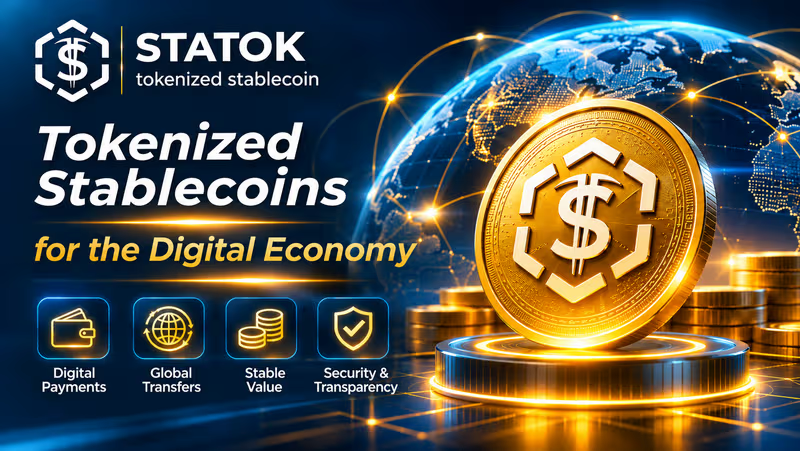
Stablecoins for the Digital World
Digital finance is transforming how people and businesses transfer money, manage payments, and exchange value. Traditional financial systems provide established infrastructure, but international transactions can involve delays, intermediaries, and additional costs. Stablecoins introduce a digital alternative designed to maintain a relatively stable value while using blockchain technology for transferring and recording transactions. STATOK explores how tokenized stablecoins can connect traditional financial concepts with the growing digital economy.
What Is a Tokenized Stablecoin?
A stablecoin is a digital token designed to maintain its value relative to a reference asset, such as the US dollar, euro, or another currency. Depending on its structure, a stablecoin may be backed by financial reserves, other digital assets, or supported by alternative stabilization mechanisms. Blockchain technology allows these tokens to be transferred between compatible digital wallets and applications, often without relying on traditional payment processing infrastructure.
Tokenized stablecoins combine digital representation of value with blockchain-based transaction records. Every transfer can be recorded on a distributed ledger, providing transparency and allowing participants to verify transaction activity. However, the actual stability of a token depends on its reserve structure, redemption arrangements, market conditions, and the reliability of its issuer. Not all stablecoins offer the same level of security or financial protection.
Why Are Stablecoins Important?
Stablecoins create opportunities for faster digital payments, international value transfers, and more efficient financial transactions. Businesses can potentially use them for cross-border settlements, digital commerce, and programmable financial operations. Their blockchain-based infrastructure may support transactions outside traditional banking hours, although speed, costs, and availability depend on the underlying network and service providers.
Beyond payments, stablecoins can serve as important components of decentralized finance and tokenized financial markets. They may provide a digital settlement asset for trading tokenized securities, exchanging digital assets, and executing automated financial agreements. Smart contracts can support programmable transfers and predefined transaction conditions, opening new possibilities for digital financial services.
What STATOK Explores
STATOK focuses on the evolving world of tokenized stablecoins and their potential role in modern financial infrastructure. The project explores blockchain technology, digital payments, stablecoin models, and the connection between traditional currencies and digital tokens. As financial institutions, technology companies, and businesses examine new payment solutions, STATOK follows the developments shaping this emerging sector.
STATOK is built around the idea that digital financial innovation should combine technological efficiency with transparency, security, and responsible development. Understanding how stablecoins function, how their value is maintained, and how they interact with existing financial systems is essential for evaluating their long-term potential. The project provides a perspective on the technologies connecting money, digital assets, and the global digital economy.
Challenges and Responsibility
Stablecoins introduce opportunities, but they also involve financial, technical, and regulatory risks. Reserve quality, redemption rights, issuer reliability, cybersecurity, and blockchain network stability can all affect their operation. Some stablecoins have lost their intended value peg, demonstrating that price stability cannot be taken for granted. Secure custody, transparent reserves, and effective risk management are important considerations for users and service providers.
Regulatory frameworks are also evolving as governments seek to protect users and maintain financial stability. In the European Union, the Markets in Crypto-Assets Regulation (MiCA) establishes requirements for relevant categories of crypto-assets, including asset-referenced tokens and e-money tokens. STATOK recognizes that responsible stablecoin development requires a balance between innovation, regulatory compliance, and trust.
Explore the Future of Stablecoins
The digital economy is creating new possibilities for stablecoins, tokenized assets, and blockchain-based financial infrastructure. As digital payments become increasingly interconnected, stablecoins may support more efficient settlement mechanisms and new forms of programmable value exchange. Their future will depend on reliable technology, appropriate financial safeguards, regulatory clarity, and practical adoption by individuals and businesses.
STATOK invites readers to explore the development of tokenized stablecoins and their potential influence on the financial world. From digital payments and blockchain networks to tokenized markets and emerging financial technologies, stablecoins represent an important area of innovation. The future of digital value is being shaped by the connection between established financial principles and new technological possibilities.